Excellent Senior Residential Options for Any Life Style
Quality senior living choices serve a wide array of lifestyles. Each option offers distinct benefits, whether it's the social vibrancy of active adult communities or the supportive environment of assisted living. Understanding personal preferences and health needs is essential. As seniors explore their options, they may wonder which arrangement best enhances their quality of life. The answers lie in a thoughtful assessment of individual circumstances and available options. What will they discover next?
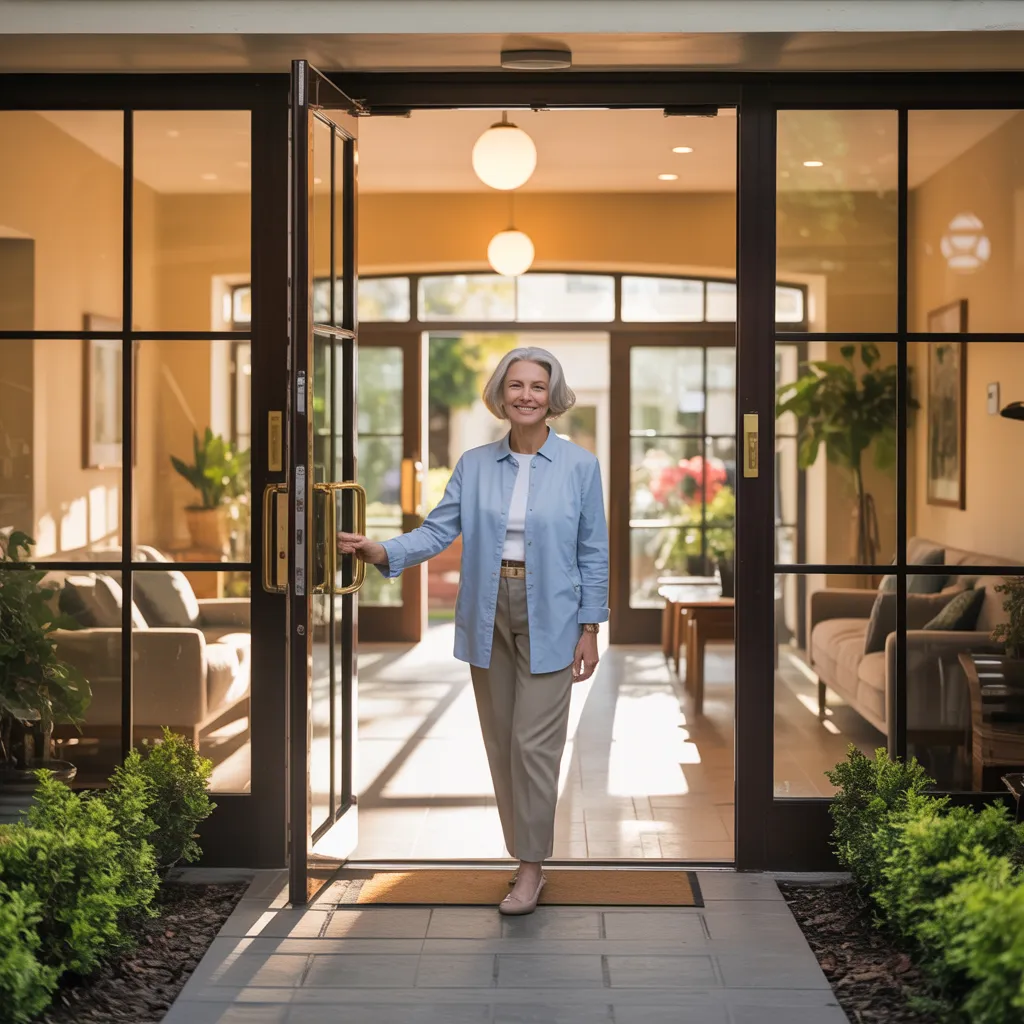
What Elderly Housing Options Work Best for You?
When evaluating senior living options, what is the best way to determine the ideal fit for one's requirements and way of life? Individuals must first evaluate their personal requirements, such as health, mobility, and social preferences. Several options exist, including independent living, assisted living, and nursing homes, each meeting different levels of care and independence.
Independent living is perfect for those seeking a maintenance-free lifestyle while maintaining independence. Conversely, assisted living provides assistance for daily activities, appealing to those needing additional help. Nursing homes provide extensive medical care for individuals with serious medical needs.
Moreover, factors like location, community amenities, and price serve a vital role in making choices. It is essential to assess personal priorities, visit potential communities, and collect information on services offered. Ultimately, the right choice aligns with the individual's lifestyle, ensuring ease and satisfaction in their new living arrangement.
Active Adult Communities: Engaging Retiree Living Choices
Active adult communities offer an exciting alternative for seniors seeking a vibrant way of life without the responsibilities of property upkeep. These communities are created for people aged 55 and older, highlighting community interaction and an active lifestyle. Residents can enjoy a range of facilities, such as fitness centers, swimming pools, and walking trails, promoting a healthy and active lifestyle.
Social events are abundant, including clubs, classes, and organized outings, fostering a feeling of connection and inclusion. This environment allows seniors to forge new friendships and participate in common hobbies. Additionally, many active adult communities offer chances for lifelong learning through seminars and learning courses.
Residents can concentrate on enjoying their retirement as the community usually handles upkeep and grounds care. These communities cater to those who desire to remain self-reliant while still gaining from a caring atmosphere, rendering them an attractive option for many seniors.
Independent Living: Personalized Choices for Your Lifestyle
Offering seniors flexibility and personalization, independent living is an approach to retirement living that allows them to maintain their autonomy while utilizing essential support services. This option is intended for those who are largely self-sufficient but value the availability of resources that boost their quality of life.
Residents are able to opt for different housing types, including apartments, cottages, or single-family homes, created to individual preferences. Many independent living communities present amenities such as fitness centers, social activities, and dining options that build community engagement.
Safety elements, including emergency call systems and secure entry points, are commonly integrated, offering reassurance to both residents and their families.
Assisted Living: Harmonizing Personal autonomy with Support
Assisted living establishes an vital balance between independence and support, meeting the needs of seniors who need varying amounts of assistance with daily activities while still honoring their autonomy. In these communities, residents receive personalized care adapted to their individual requirements, featuring help with drug administration, personal hygiene, and cooking meals.
Differently from nursing homes, assisted living facilities inspire residents to continue their regular activities and social connections, promoting a sense of camaraderie and acceptance. Activities and programs are usually crafted to involve residents, fostering mental and physical well-being.
Family relatives can have peace of mind knowing that their loved ones are in a secure environment where qualified professionals is on hand around the clock. This method not only enhances the standard of living for seniors but also promotes their desire for autonomy, allowing them to thrive in a supportive yet empowering setting.
Memory Care: Custom Spaces for Mental Needs
Since memory loss can significantly impact routine activities, memory care facilities are built to deliver customized spaces that satisfy the unique needs of residents with dementia-related issues, such as Alzheimer's or dementia. These centers emphasize protection, providing secure spaces to prevent wandering and lower confusion. Caregivers are trained specifically in techniques to communicate effectively and connect with residents meaningfully, developing a sense of stability and reassurance.
Memory care services regularly include structured activities that stimulate cognitive function and encourage community engagement. These activities may extend from therapeutic art to fitness sessions, tailored to enhance cognitive recall and retain abilities. Additionally, the environment is typically designed with familiar layouts and comforting decor to reduce anxiety and cultivate a sense of belonging. Overall, memory care facilities aim to develop a supportive community that fosters self-reliance while securing that clients receive the specialized care they demand.
Advanced Nursing Facilities: In-Depth Services for Older People
Skilled nursing facilities supply a spectrum of service offerings adapted to the needs of seniors. These facilities deliver specialized medical services, guaranteeing residents receive the necessary attention for their medical situations. Additionally, they stress activities and social engagement, encouraging a integrated approach to senior health.
Categories Of Skilled Nursing
A selection of skilled nursing choices distribute vital support for older adults with varied needs. These establishments generally break down into multiple categories, each designed to meet specific requirements. Traditional skilled nursing facilities deliver 24/7 medical care and rehabilitation services for individuals healing from surgery or illness. Memory care units focus in supporting seniors with Alzheimer's or dementia, providing a secure environment and customized activities. Short-term rehabilitation centers concentrate on post-acute care, aiding seniors in regaining strength after hospitalization. Long-term care facilities attend to those needing continuous help with daily activities. Each type of skilled nursing facility ensures that seniors get the suitable level of support, fostering both health and well-being in a compassionate environment.
Professional Medical Services Presented
While considering the diverse needs of elderly people, expert medical services offered in skilled nursing facilities represent an vital role in securing thorough care. These facilities present a collection of healthcare tailored to personal medical needs, covering medication management, therapeutic exercise, and wound care. Skilled medical professionals are trained to tackle challenging ailments, confirming that each resident gets support personalized support. Also, these institutions commonly have access to specialists who can render extra appraisals and remedies, strengthening the overall grade of care. Accessory services such as nutritional counseling and suffering relief are also integral, driving a holistic approach to well-being. By combining these specialized services, skilled nursing facilities facilitate elderly people maintain their well-being access this information and esteem in a encouraging environment.
Social Activities and Engagement
Alongside comprehensive medical care, social involvement and recreational pursuits represent an important element the overall well-being of seniors in skilled nursing facilities. These activities promote social connections, reduce loneliness, and improve emotional health. Organized programs like arts and crafts, exercise classes, and group outings motivate engagement, helping residents to build relationships with peers and cultivate friendships. Periodic community functions, including movie nights and themed celebrations, cultivate community feeling and nurture belonging. Moreover, engaging with mental challenges—such as games and puzzles—preserves mental function. When emphasizing activities and social engagement, skilled nursing facilities boost quality of life for seniors and also foster their overall wellness and happiness.
Vital Questions to Inform Your Senior Living Decisions?
When exploring senior living options, individuals should think through several crucial questions. Main lifestyle inclinations, health care needs, and budget concerns play important roles in shaping one's selection. Considering these aspects can lead to a more educated and satisfying outcome.
Primary Life Tastes
How do people determine their ideal senior living environment? Key lifestyle preferences are crucial in this decision-making process. Seniors often evaluate their daily routines, social activities, and personal interests to locate a suitable community. Some may prioritize an active lifestyle, pursuing amenities like fitness classes, walking trails, or organized group outings. Others might value tranquility, choosing quieter settings with gardens or reading nooks. Additionally, culinary preferences can affect choices, as some residents look for diverse dining options or specialized dietary accommodations. Understanding these lifestyle priorities helps prospective residents identify environments that align with their values and habits, facilitating a smoother change to a fulfilling senior living experience.
Health Care Necessities
Selecting an appropriate senior living setting also demands careful consideration of health care needs. People must assess their current health status and anticipate future medical requirements. It is crucial to understand the degree of medical care offered, encompassing assistance with everyday tasks, medication management, and access to on-site healthcare providers.
Families should ask about the availability of specialized services for chronic conditions, rehabilitation, and emergency care. Furthermore, the closeness to hospitals and specialists can play a major role in overall health management. Reviewing the staff-to-resident ratio along with staff qualifications also plays an important role in guaranteeing sufficient support. When prioritizing these medical considerations, seniors and their families can choose wisely that suit their well-being and lifestyle preferences.
Budget Factors
While considering senior living possibilities, budget factors play an critical role in influencing decisions. Prospective residents must assess not only the monthly payments but also additional outlays such as food, utilities, and healthcare services. Grasping the payment plan is necessary; options may include buy-ins, monthly rentals, or long-term leases. It is necessary to take into account potential financial assistance plans or insurance coverage that could alleviate costs. Additionally, evaluating the merit of amenities and services provided in the price can help determine if a certain facility meets one's financial and lifestyle needs. Ultimately, transparent budgeting supports seniors and their families to make informed choices that align with their financial situation and desired quality of life.
Regularly Raised Questions
What Are the Charges Tied to Various Senior Living Alternatives?
Costs for senior living options vary considerably, including monthly fees, entrance fees, and additional services. Independent living typically ranges from $2,000 to $4,000 monthly, while assisted living can exceed $5,000, depending on location and amenities.
How Do I Choose the Ideal Place for Senior Living?
Selecting the best area for elderly housing involves considering proximity to relatives, medical facilities, and community services. Evaluating security, weather, and community activities also ensures a fulfilling and pleasant residential environment for older adults.
Do Senior Living Communities Accept Animals?
Senior living communities frequently enable pets, recognizing their emotional benefits. However, policies vary considerably; some may impose limitations on categories, dimensions, or quantities of pets, so prospective residents should ask directly with each community.
What offerings Do Senior Living Facilities Usually Feature?
Senior living facilities commonly offer features like fitness centers, dining options, social activities, transportation services, wellness programs, and outdoor spaces. These features are designed to boost residents' lifestyle quality and encourage community engagement.
How Can Family Members Stay Involved in Treatment Choices?
Family relatives can remain engaged in treatment choices by participating in discussions, communicating regularly with staff, taking part in care planning sessions, and supporting their loved one's preferences and needs, ensuring a collaborative approach to care.